
Reviewed · CITY TOURS
Walking City Tour in Tbilisi
Tbilisi reveals itself on foot. This private two-hour walk links the city’s sulfur baths, narrow Old Town lanes, Narikala Fortress, and 19th-century streets, giving you a quick but meaningful introduction to Georgia’s capital. I especially like the private format and the way the route connects Georgian, Persian, Russian, and European influences in one compact outing.
I also like the chance to ask for practical advice about the sulfur baths and Georgian food, rather than simply ticking off monuments. A five-star rating from four reviews includes praise for the guide’s personal approach and for introducing visitors to dishes they might not have ordered alone. The main consideration is pace: two hours is short, and the uphill sections around Narikala and Kartlis Deda require moderate fitness.
In This Review
- Key things to know before you book
- Why this short Tbilisi walk works
- Starting among the sulfur baths
- Old Town lanes and carved balconies
- Narikala Fortress and the city view
- Kartlis Deda and Georgia’s Christian story
- Ateshgah and the Persian connection
- Liberty Square and the Russian imperial era
- Rezo Gabriadze’s clock tower and a playful finale
- What the guide adds to the experience
- Timing, effort, and practical value
- Who should book this Tbilisi walk?
- Should you book it?
- FAQ
- How long does the Walking City Tour in Tbilisi last?
- Where does the tour begin?
- Where does the tour finish?
- Is the Tbilisi Cable Car included?
- Are admission tickets included?
- Is this a private tour?
- What fitness level is required?
- Can I cancel for a full refund?
Key things to know before you book
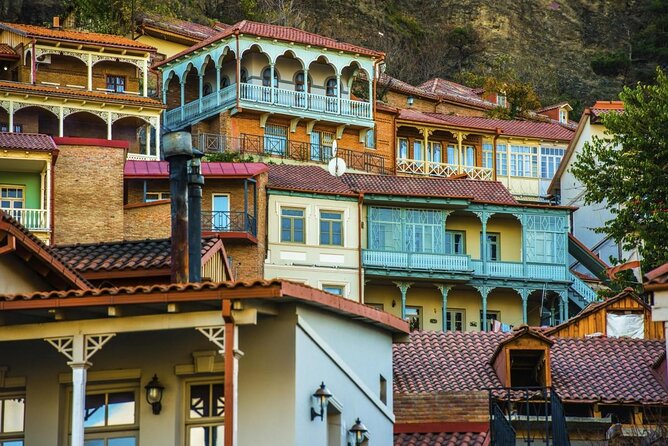
- A private route through two sides of Tbilisi: You see the Old Town and the 19th-century aristocratic district, with the tour ending at Liberty Square.
- Narikala Fortress provides the big view: The high point gives you a broad look across Tbilisi and is the tour’s main scenic stop.
- The cable car is optional: You can ride up or down for an additional 2 euros per person, or walk instead.
- The guide adds cultural context: The route explains Georgia’s Christian tradition, Persian connections, Russian imperial period, and modern identity.
- The sulfur baths are useful, not just photogenic: You can receive recommendations if you want to return later for a bath.
- The tour suits active visitors: Expect narrow lanes, slopes, and steps, with a moderate fitness level advised.
Why this short Tbilisi walk works

Tbilisi is a city best understood through contrasts. Stone churches sit near Persian-influenced bathhouses. Wooden balconies lean over steep lanes. Grand 19th-century buildings lead toward a square shaped by the Russian imperial era. A walk that connects these areas gives you a stronger sense of the city than a quick photo stop at each sight.
This tour is built for that purpose. It takes about two hours and stays within a relatively focused part of central Tbilisi. You begin at Orbeliani Baths on Abano Street and finish at Liberty Square, with an option to end somewhere else if you prefer.
I see the private format as the biggest advantage. Your group does not have to follow the pace of strangers, and the guide can spend more time on subjects that interest you. You can also choose to use the cable car or continue on foot, which makes the route less rigid than a standard group walk.
The price is $23.27 per person. For a private experience with a guide and no admission charges at the listed sights, that is a fair price, especially if you want a useful first orientation to Tbilisi. You should still budget separately for the cable car, listed at 2 euros per person, and for any food, drinks, or bath visit you arrange later.
More walks:
- Tbilisi Walking Tour Including Cable Car and Traditional Bakery
★ 5.0 · 1,310 reviews - Tbilisi:Evening Walking & Talking Tour with Wine & Boat Ride
★ 5.0 · 572 reviews - Old Tbilisi Highlights walking tour with wine & 10 tastings
★ 5.0 · 276 reviews
Starting among the sulfur baths
The meeting point is Orbeliani Baths at 31 Abano Street. This is also called Pushkin Bath or Dumas Bath, names that hint at the area’s long connection with writers and visitors drawn to Tbilisi’s famous hot springs.
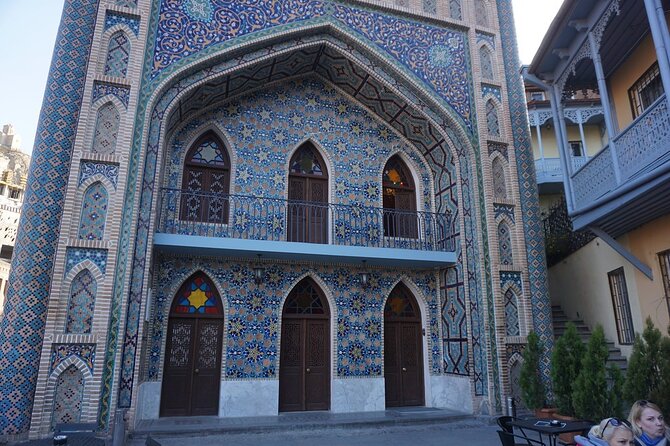
From there, the route moves into Abanotubani, the old sulfur-bath neighborhood. The bathhouses here have an unmistakable oriental appearance, with domed roofs and tiled surfaces that make this one of the city’s most distinctive areas.
The stop itself is brief, about five minutes at each of the first two points. That is enough to understand why the neighborhood matters, but not enough for a bath. The guide can offer recommendations if you want to return and relax there later, which is practical because choosing a bathhouse can be confusing when you are seeing several options at once.
I would treat this part as an introduction rather than a full bath experience. The admission is free for the sightseeing stop, but an actual bath visit is not included. If that is one of your main reasons for coming to Tbilisi, plan it as a separate activity.
Old Town lanes and carved balconies
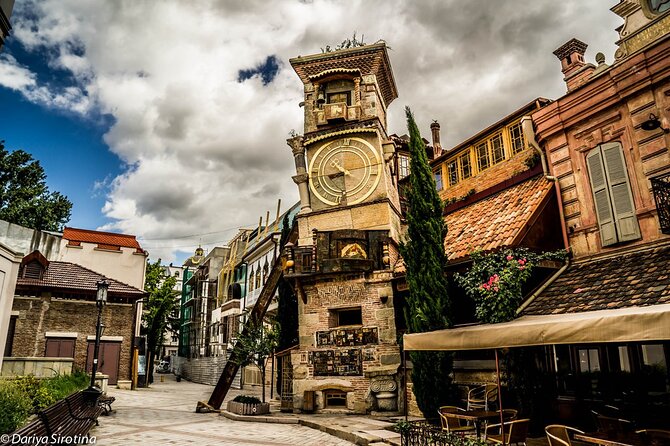
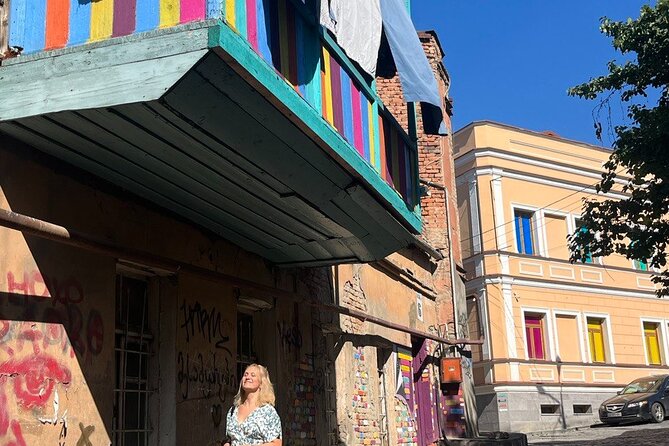
The Old Town receives about 20 minutes, making it the longest single stop on the route. That time is well spent. Tbilisi’s older streets are narrow, uneven, and full of the visual details that make the city memorable: carved wooden balconies, old walls, small courtyards, and changing views as the lanes rise and turn.
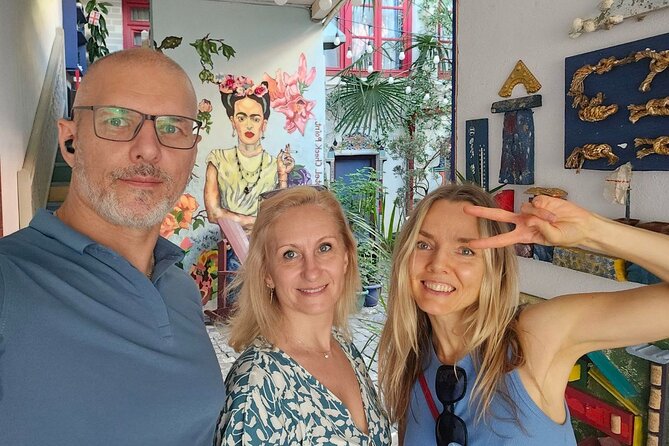
The guide points out well-known photo locations, including Frida’s Cafe. This is useful if you want a few attractive images, but the real value is the explanation of how the old district fits into Tbilisi’s wider story.
I like that this section is not treated as a simple photo walk. The guide uses the streets to explain Georgian customs and the city’s position between Europe and Asia. You can expect a mixture of architecture, local stories, and cultural background rather than a long museum-style lecture.
The tradeoff is time. Twenty minutes passes quickly in this part of town. If you like taking photographs, you may need to choose between stopping for pictures and keeping the route moving. Since this is a private tour, you can ask for a little flexibility, but the two-hour schedule still places a limit on how much you can see.
Narikala Fortress and the city view
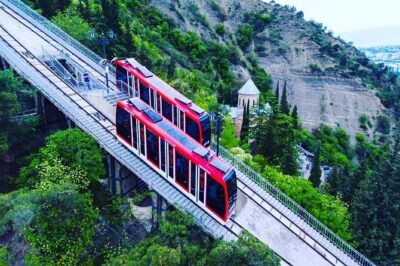
The cable car section is flexible. You may ride up, ride down, use it for both directions, or walk through the Old Town instead. The fare is not included and costs 2 euros per person.
Narikala Fortress is the tour’s scenic centerpiece. The fortress sits at the high point above the old city, where you can look across Tbilisi. The stop lasts about 10 minutes, so the focus is on the view and the setting rather than a long examination of the ruins.
I would consider taking the cable car if you want to save energy for the rest of the walk. You can also walk if you prefer a more active route and want to continue through the old streets. The choice depends on how you feel that day, since the tour specifically allows either option.
The fortress itself is free to enter, but the route to it can be physically demanding. The tour advises a moderate fitness level, and that is important information rather than a formality. Slopes and uneven streets are part of the experience, particularly around the fortress and nearby monument.
A few more ways to spend a day out of Tbilisi
- Day Trip to Kakheti Wine Region Including 9 Wine Tastings
★ 5.0 · 2,774 reviews - Highlights of Caucasus Mountains-Jinvali,Ananuri,Gudauri,Kazbegi(Group tour)
★ 5.0 · 2,682 reviews - Day Trip to Kazbegi and Gudauri
★ 5.0 · 2,009 reviews - Day Trip to Mtskheta Gori and Uplistsikhe
★ 5.0 · 1,801 reviews
Kartlis Deda and Georgia’s Christian story
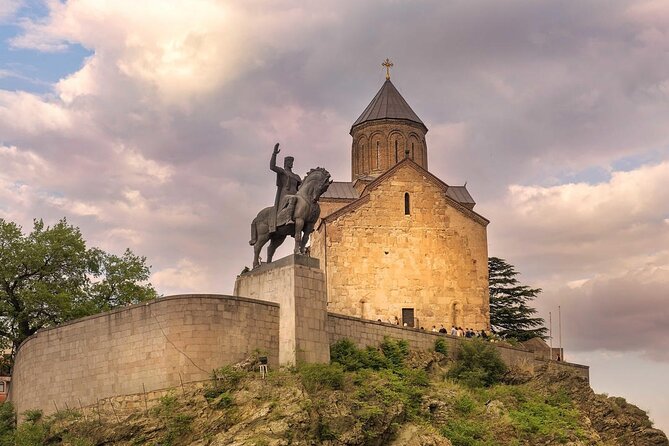
Near Narikala, you see Kartlis Deda, the giant monument known as Mother of Georgia. The statue is given only about five minutes, so this is a quick viewing stop rather than a detailed monument visit.
Its position above the city makes it easy to connect with the larger view. The monument also gives the guide a chance to talk about Georgian identity and the symbols associated with the country. The short stop works well as part of the route, though you should not expect extensive historical detail about the statue itself.
The walk also includes the Lower and Upper Betlemi Churches. These old Orthodox churches provide a different kind of historical marker. Here, the guide discusses when Georgia became a Christian country, a useful subject because religion remains important to Georgian culture and national identity.
Admission to the churches is free. Since the stop lasts about five minutes, you may get a concise explanation and a look at the buildings rather than a lengthy interior visit. Dress and behave respectfully at religious sites, and be ready for the possibility that the pace remains brisk.
Ateshgah and the Persian connection
Ateshgah Zoroastrian Temple is one of the more unusual stops on the route. The site preserves a trace of Persian imperial influence and broadens the usual picture of Tbilisi beyond churches and fortress walls.
Five minutes is enough for the guide to identify the site and explain why it matters. It is not a major sightseeing venue with a long visit, but it adds an important layer to the city’s past. Tbilisi has been shaped by several cultures, and this stop makes that clear.
I value this kind of inclusion because it prevents the tour from presenting Georgia’s capital as a single-story Christian or Russian city. The route instead moves through Georgian, Persian, Orthodox, and imperial references in a small area.
Liberty Square and the Russian imperial era
The tour ends at Liberty Square, also called Freedom Square, after about 10 minutes there. This is a useful endpoint because it shifts the story from the medieval and early historic city toward the Russian imperial period and modern central Tbilisi.
The guide explains why the square is a good place to discuss the Russian Empire in Georgia. That context helps you understand the city’s changing political identity and why Tbilisi can feel both distinctly Georgian and connected to larger empires.
You can request a different ending point if that works better for your plans. The published endpoint is convenient for continuing through central Tbilisi, but flexibility is available. If you are using the tour as your first activity in the city, finishing here can help you plan the rest of your day.
Rezo Gabriadze’s clock tower and a playful finale
The Rezo Gabriadze Marionette Theater is another memorable stop. Its clock tower and small hourly performance add a lighter note after the churches, fortress, and political history.
The stop lasts about 10 minutes. The theater is famous for Georgian puppet theater, and the clock tower is one of the most recognizable modern attractions in the Old Town area. The small performance occurs every hour, so the exact timing matters. Ask the guide how the schedule fits with your walk.
This is a good example of the tour’s range. You move from bathhouses and religious buildings to a theater created by one of Georgia’s best-known artists. It gives you a glimpse of Tbilisi as a living cultural capital, not only an archaeological site.
The short duration also means you should not expect a full theater performance. You are seeing the clock tower and its brief hourly event as part of a wider city walk.
What the guide adds to the experience
The tour includes a certified guide, and the private setup lets you ask questions as you go. The strongest praise attached to this experience focuses on the guide’s competence and personal connection. One five-star review also highlights help with Georgian cuisine, including dishes that sounded unfamiliar and might not have been chosen without advice.
That food guidance is a valuable extra. The route itself does not include snacks or a meal, but cultural advice can continue beyond the monuments. If you are unsure what to order in Tbilisi, ask the guide for suggestions during the walk. You may get a more useful answer than a generic list of national dishes.
The experience provider is Alesia Aliakseichyk. The available review describes a female guide who made the outing feel personal and introduced the group to Georgian cooking. Since the information does not confirm that Alesia personally leads every departure, I would check the guide details after booking if that matters to you.
Timing, effort, and practical value
Two hours makes this a good first-day activity, especially if you want orientation without giving up an entire morning or afternoon. It is also easy to fit around other plans because the route begins near public transportation and ends at Liberty Square.
The compact schedule has a clear cost. Stops are often five or ten minutes, so you will hear the main point and move on. I would not book this expecting a slow architectural study, extended church visits, or a long stop at every monument.
The walk is private, and only your group participates. That is helpful for families, couples, or friends with specific interests. You can ask to spend more time on the baths, food, churches, or Russian imperial history, although the route still has ten listed stops to cover.
The sights are free to enter. That keeps the $23.27 price easier to assess because you are paying mainly for the guide’s time, route planning, and explanations rather than a package of expensive admission tickets. Add the cable car fare only if you choose that option, and plan separately for snacks or a bath.
Free cancellation is available if you cancel at least 24 hours before the local start time. Changes or cancellations made inside that window are not accepted for a refund, so keep the timing in mind when finalizing your plans.
Who should book this Tbilisi walk?
I would recommend it to anyone visiting Tbilisi for the first time who wants a clear introduction before exploring alone. It is especially useful if you want the main sights explained in context instead of finding them one by one with a map.
It also suits you if you want a private conversation about Georgian customs, food, religion, and the city’s place between Europe and Asia. The favorable review specifically praises the guide’s personal approach and culinary advice, which adds value beyond the listed monuments.
You may want a longer or slower tour if you take many photographs, have limited mobility, or prefer extended time inside churches and historic sites. The moderate fitness requirement matters, and the route includes uphill movement near Narikala Fortress.
Should you book it?
Book this tour if you want a private, affordable orientation to central Tbilisi with strong cultural range. In two hours, you cover the sulfur baths, Old Town, Narikala, Mother of Georgia, Betlemi Churches, Ateshgah, Liberty Square, and the Rezo Gabriadze clock tower.
Skip it if you want a relaxed half-day walk or detailed visits at every stop. For most active first-time visitors, the combination of flexible transport, free sights, a private guide, and useful advice about baths and food makes $23.27 good value.
FAQ
How long does the Walking City Tour in Tbilisi last?
The tour lasts approximately two hours.
Where does the tour begin?
It begins at Orbeliani Baths, 31 Abano Street, Tbilisi, Georgia.
Where does the tour finish?
The standard ending point is Liberty Square, 2 Freedom Square, Tbilisi, Georgia. A different ending location can be arranged.
Is the Tbilisi Cable Car included?
No. The cable car costs 2 euros per person. You can also walk to or from Narikala Fortress instead.
Are admission tickets included?
The listed sights are free to enter, and the tour includes those free admissions. The cable car is not included.
Is this a private tour?
Yes. Only your group participates.
What fitness level is required?
A moderate physical fitness level is recommended. The route includes walking through the Old Town and access to the high point around Narikala Fortress.
Can I cancel for a full refund?
Yes, if you cancel at least 24 hours before the experience start time. Cancellations or changes made less than 24 hours before the start are not accepted for a refund.
Recently added around Tbilisi
- Northern Armenia Highlights Tour from Tbilisi★ 5.0 · 3 reviews
- Wild Georgia 4WD PACK Adventure through Kakheti and Kazbegi 2in1★ 5.0 · 3 reviews
- Kakheti wine region – Private Tour★ 5.0 · 3 reviews
- Jvari monastery & Mtskheta – Half day group tour from Tbilisi★ 5.0 · 3 reviews
- Private Full Day Trip to Kazbegi Mountains★ 5.0 · 3 reviews
- Kakheti With Top Destinations★ 5.0 · 3 reviews
- Private Effortless transfer from Tbilisi to Gudauri ski resort★ 5.0 · 3 reviews
- Borjomi – Rabati -Vardzia Private Full Day Tour from Tbilisi★ 5.0 · 3 reviews
City Tours, compared.
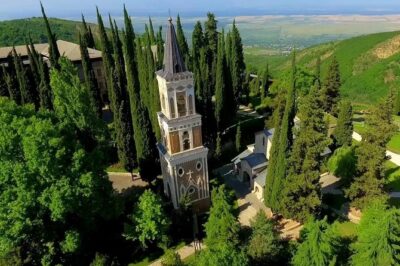
City of Love Sighnaghi, Bodbe. KTW. Wine House Group tour
Read our review →
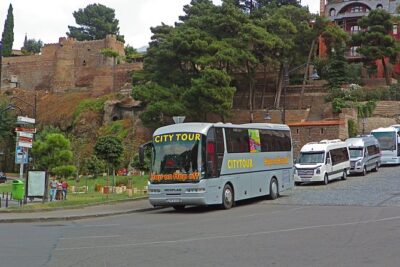
Mtskheta – Jvari. Full City Tour on Hop On Hop Off Bus
Read our review →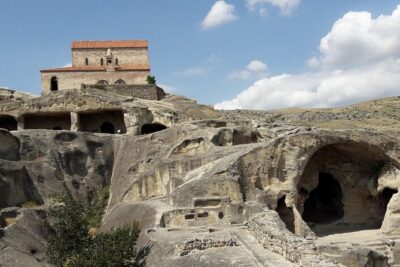
Day tour to Chronicles of Georgia, Gori city, Uplistsikhe cave
Read our review →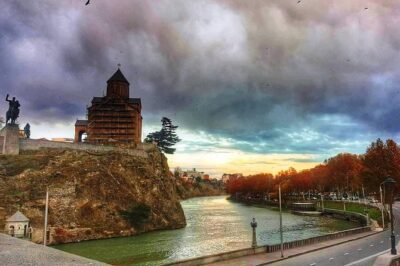
Tbilisi city tour PRIVATE excursion Airport and hotel pickup INCL
Read our review →
Tbilisi City Tour, Most Popular Tourists Destinations In The Capital Of Georgia
Read our review →
Browse the lists this tour appears in