
Reviewed · GORI & UPLISTSIKHE TOURS
Soviet tour of Georgia – Gori, Tskaltubo, Chiatura, Enguri Dam.
Georgia keeps its Soviet past in plain sight. This private tour takes you from Tbilisi’s Soviet districts to Stalin’s hometown, a former mining city, abandoned spa sanatoriums, and one of the country’s great engineering works. I like the unusual route and the private format, especially the chance to shape the day around your interests. I also like that the tour reaches places many standard Georgia trips skip, including Chiatura and Tskaltubo.
The main caution is important: the supplied details describe both a four-day Soviet architecture trip and a separate six-day, five-night Svaneti tour with flights, hikes, Ushguli, and horse riding. Those are not the same experience. Confirm exactly which itinerary, number of nights, transport, and inclusions apply before paying the $850 price.
In This Review
- Key points at a glance
- What this Georgia Soviet tour is really about
- Tbilisi and Rustavi: a first look at Soviet Georgia
- Gori and the difficult subject of Stalin
- Chiatura and the remains of a mining town
- Tskaltubo sanatoriums: the most atmospheric stop
- Enguri Dam and the scale of Soviet engineering
- The separate Svaneti itinerary needs confirmation
- Food, guiding, and what the $850 covers
- Who should book this trip?
- Should you book the Soviet Georgia tour?
- FAQ
- Where does the tour begin and end?
- Is the tour private?
- Is an English-speaking guide included?
- Are meals included?
- What places are included in the Soviet architecture itinerary?
- What is the cancellation policy?
Key points at a glance
- Tbilisi and Rustavi open the tour with Soviet-era buildings, making the first day a gentle introduction to Georgia’s 20th-century architecture.
- Gori combines Soviet history with Stalin’s museum, a politically charged stop that deserves more thought than a quick photo.
- Chiatura offers one of Georgia’s most striking industrial settings, with its former Soviet mining-town character.
- Tskaltubo is the architectural highlight, thanks to abandoned sanatoriums where vegetation and decay have taken over.
- Enguri Dam adds scale and engineering interest, with a huge dome-shaped structure built during the Soviet period.
- The private format gives you flexibility, but an English-speaking guide costs extra and the driver may not provide detailed historical commentary.
What this Georgia Soviet tour is really about
This is not a polished sightseeing circuit. It is a look at concrete, abandoned buildings, industrial projects, and places shaped by Soviet planning. You will see grand ambitions, faded public spaces, and the remains of a system that changed daily life across Georgia.
That gives the tour its appeal. You are not simply moving between famous landmarks. You are comparing different parts of the Soviet project: government and housing in Tbilisi, political memory in Gori, mining in Chiatura, resort culture in Tskaltubo, and heavy engineering at Enguri.
The private setup matters. Only your group takes part, so you can spend longer at a building that catches your eye or move on when a stop feels less interesting. The advertised start is 8:00 a.m. from Rose Revolution Square in Tbilisi, and the activity returns to that meeting point.
The tour is listed at $850 per person. That can be fair for a private multi-day trip with transport, accommodation, meals, and airport transfers, but the value depends entirely on which version you receive. The six-day description includes flights to and from Tbilisi, hotel accommodation in Mestia, dinner and breakfast, and several Svaneti excursions. The four-day schedule instead centers on western Georgia’s Soviet sites.
Ask for a written day-by-day plan before booking. This is not a minor detail. It affects the number of nights, meals, flights, driving time, and the places you will actually see.
More Gori and Uplistsikhe trips:
- Day Trip to Mtskheta Gori and Uplistsikhe
★ 5.0 · 1,801 reviews - Mtskheta-Gori-Uplistsikhe
★ 5.0 · 112 reviews - Mtskheta, Jvari, gori, uflistsikhe, history and panorama (group tours)
★ 4.5 · 107 reviews
Tbilisi and Rustavi: a first look at Soviet Georgia
The first day gives you about six hours with Soviet buildings in Tbilisi and Rustavi. Admission is free, so the real value comes from the route and the explanation rather than ticketed attractions.
Tbilisi is often introduced through its old town, balconies, churches, and hilltop views. This trip shifts your attention to the city’s later layers. You may see apartment blocks, public buildings, and monuments connected to the Soviet period. That contrast is useful. It shows that Georgia is not one postcard image, but a country with several very different architectural eras.
Rustavi adds an industrial counterpoint. The city is closely associated with Soviet-era heavy industry, so it helps you see how urban planning worked beyond the capital. I would treat this day as a visual introduction, not a full architectural survey. Six hours is enough to establish the theme, but not enough to examine every district in detail.
An English-speaking guide is not included. If architecture and history are your main reason for booking, I would pay for guiding if available. A driver can get you to the right areas, but a guide can explain why a building matters, how Soviet design differed from Georgian traditions, and how the sites fit together.
One practical point: the supplied schedule says Rustavi is part of the first day, but one account of the experience did not have time to visit it. That suggests the route can change or the day can run short. If Rustavi matters to you, confirm that it is included rather than treating it as automatic.
Gori and the difficult subject of Stalin
The second day is the longest, listed at about 12 hours, and includes the Stalin Museum in Gori before continuing toward Chiatura and Tskaltubo. The museum admission is included.
Gori is one of the most emotionally complicated stops in Georgia. Stalin was born there, and the museum presents his life through personal objects, photographs, documents, and the house associated with his birth. You should expect a strong focus on Stalin himself and think critically about what is displayed and what may receive less attention.
I like this stop because it gives the tour a human and political center. Soviet architecture can sometimes become a game of photographing unusual concrete shapes. Gori reminds you that the system also involved power, repression, propaganda, and enormous personal influence.
The museum is best approached with time and context. If you have an English-speaking guide, ask for an explanation of the museum’s presentation and Georgia’s relationship with Stalin’s legacy. Without a guide, you can still visit, but the experience may feel more like a collection of exhibits than a conversation about history.
The long day is the drawback. You will cover several places and spend substantial time on the road. That makes comfortable transport and a clear plan important. The private vehicle is a plus, since you are not tied to a large group’s pace, but you should not expect a relaxed museum morning followed by a short transfer. This is a full touring day.
Chiatura and the remains of a mining town
Chiatura is one of the tour’s strongest reasons to book. It was a Soviet mining town, and its setting and industrial character make it different from the grander urban architecture of Tbilisi.
The appeal here is not a single museum or neatly restored monument. You are looking at a town shaped by extraction and transport. Soviet infrastructure, concrete buildings, and industrial traces give Chiatura a rawer feel than Georgia’s better-known cultural sites.
This is the place where an interested guide can add real value. You may see a structure that looks like an ordinary piece of concrete, but its purpose could relate to mining, transport, housing, or public life. The tour description emphasizes brutalist architecture, and Chiatura helps explain why that label fits some Georgian towns.
Keep your expectations sensible. This is not presented as a restored attraction with a polished visitor route. Conditions may vary, and the experience depends on what is accessible on the day. The private format helps because the route can respond to what you want to see, but the supplied information does not promise entry into every building.
I would bring sturdy shoes and keep your attention on the surroundings rather than chasing a perfect photograph. The point is to understand the town as a whole, not just collect images of abandoned structures.
More Soviet-era sights:
- 1 Day Private Armenia: UNESCO, Soviet & Curated Family Lunch
★ 5.0 · 106 reviews - Tbilisi old town & soviet heritage – Private driver-guided Tour
★ 5.0 · 83 reviews - Armenia: 1 Day Soviet gems, UNESCO + Family lunch (Small group)
★ 5.0 · 68 reviews - Soviet Tbilisi Tour – Off the beaten path
★ 5.0 · 45 reviews
Tskaltubo sanatoriums: the most atmospheric stop
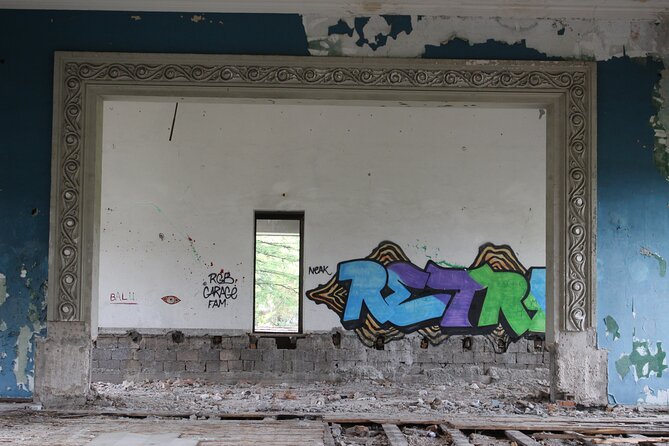
Tskaltubo is the visual high point for many people interested in Soviet architecture. Once known as a spa town, it contains former sanatoriums and abandoned buildings where time and nature have changed the interiors.
The fourth day allows about four hours to explore. The exact buildings are chosen on site, since there are many options. That flexibility is helpful. It means the operator can select places that suit the day, the group, and current conditions rather than promising one fixed building regardless of access.
You should expect grand, decaying spaces rather than a conventional museum visit. Former Soviet sanatoriums were designed for health retreats and organized recreation, so their scale can feel surprisingly formal. Empty halls, worn decorative details, and overgrown rooms show how quickly public architecture can change when its original purpose disappears.
This is also where safety and judgment matter most. Abandoned buildings can have unstable floors, broken glass, exposed areas, or restricted sections. Do not assume that an open doorway means you should enter. Stay with the driver or guide, follow instructions, and avoid climbing for photographs.
The tour’s private format works well in Tskaltubo. You can spend time on the buildings that interest you and skip those that feel repetitive. Four hours is enough for a meaningful look, although anyone fascinated by Soviet resorts may wish for more time.
The overnight stay is described as a former Soviet sanatorium for the navy. That is an unusual part of the experience, but confirm the accommodation details carefully. The supplied information also names Hotel Old House in Mestia or an equivalent property for the separate Svaneti itinerary, not necessarily for this Soviet route. The two descriptions appear to have been combined, so do not assume the Tskaltubo lodging is the same hotel.
Enguri Dam and the scale of Soviet engineering
The route from Tskaltubo to Zugdidi includes a visit to the Enguri hydropower station. The dam was built during the Soviet period and is described as one of the highest dome-shaped dams.
This stop changes the mood. Tskaltubo and Chiatura show buildings and towns affected by time, while Enguri presents a major working piece of infrastructure. Its size helps explain the Soviet preference for projects that joined engineering, energy, and state power on a very large scale.
The visit is listed at about six hours for the day. It may appeal most if you like engineering, hydropower, and industrial history as much as architecture. If your interest is only abandoned buildings, Enguri may feel less atmospheric, but it gives the tour a needed sense of range.
The route toward Zugdidi also connects the Soviet story with western Georgia. You are not seeing isolated objects. You are following a chain of cities, industries, resorts, and power systems that shaped the region.
Admission is included. Ask in advance what the Enguri visit permits, since the supplied information does not specify whether you will enter facilities, view the dam from designated points, or receive a formal station tour.
The separate Svaneti itinerary needs confirmation
The experience description also presents a six-day, five-night trip to Svaneti. That version includes flights from and back to Tbilisi, airport transfers, two hikes, Ushguli, Qoruldi Lakes, and accommodation in Mestia.
The hikes are in Becho Gorge, to Ushba waterfalls, and at Chalaadi Glacier. Trails are described as well marked, and the driver waits while you walk. That arrangement gives you transport support, but it does not replace a mountain guide. Guiding is not included and can be organized on request.
The Ushguli visit includes views toward the Shkhara mountain range. Horse riding to Qoruldi Lakes is also offered, with a car available instead if you do not want to ride. These details sound appealing, but they belong to a different trip structure from the four-day Gori, Chiatura, Tskaltubo, and Enguri program.
Hotel Old House in Mestia, or an equivalent property, includes dinner and breakfast. Its location between 12th-century defensive towers, near the Ethnographic Museum, is described as a major advantage. Again, confirm that this hotel applies to your booking. The published details do not clearly separate the Svaneti tour from the Soviet architecture tour.
Food, guiding, and what the $850 covers
The listed inclusions are dinner, two breakfasts, and two lunches. The wording is not fully clear, especially because the tour is described in one place as four days and elsewhere as six days and five nights.
That makes meals another point to confirm. Ask which meals are included on which days, and whether drinks or additional meals cost extra. A private vehicle and airport transfers can add real value, particularly if the tour includes the Svaneti flights and hotel stay.
The lack of an included English-speaking guide is the largest service limitation. The driver is included throughout the tour, but detailed interpretation is available only by request. If you are booking mainly for architecture, political history, or Soviet urban planning, guiding could change the experience from a scenic drive into a much clearer study of the sites.
The experience provider is Travelist Georgia. The tour is private, and group discounts are offered. If you are traveling with friends, ask how the price changes for a larger group. A private tour becomes better value when shared among several people, especially if transport and accommodation are included.
Who should book this trip?
I would recommend it to you if you have a focused interest in Soviet history, brutalist architecture, industrial towns, abandoned buildings, or unusual parts of Georgia. It also suits repeat visitors who have already seen Tbilisi’s old town and want a less familiar route.
You should be comfortable with long driving days, uneven conditions around abandoned buildings, and a schedule that may change on site. Gori can be emotionally difficult, and Tskaltubo is not a tidy attraction. That is part of the point, but it will not suit everyone.
I would be more cautious if you want a relaxed cultural tour, a fixed luxury itinerary, or constant English commentary. The driver-only arrangement may leave you wanting more explanation. You can solve that by requesting a guide, but confirm the extra cost before booking.
The cancellation terms are reasonable: cancel at least 24 hours before the start for a full refund. Bad weather or failure to reach the minimum number of participants can lead to a new date or full refund. The tour begins at 8:00 a.m. from Rose Revolution Square and returns there. Service animals are allowed, and the meeting point is near public transport.
Should you book the Soviet Georgia tour?
Book it if you want Georgia beyond churches, wine, and old-town streets, and if you are willing to look closely at the country’s Soviet-built towns and infrastructure. Gori, Chiatura, Tskaltubo, and Enguri offer four very different views of that period, with Tskaltubo and Chiatura likely to be the most memorable for architecture fans.
Before booking, get written confirmation of the itinerary. Ask whether you are purchasing the four-day Soviet route or the six-day Svaneti trip, whether flights and hotel stays are included, how many meals are covered, and whether an English-speaking guide can join.
With those points settled, the private format and unusual route can make the $850 worthwhile. Without that clarification, you risk paying for one Georgia experience while expecting another.
FAQ
Where does the tour begin and end?
It begins at 8:00 a.m. at Rose Revolution Square in Tbilisi and ends back at the same meeting point.
Is the tour private?
Yes. Only your group participates in the activity.
Is an English-speaking guide included?
No. An English-speaking guide is not included, but guiding can be arranged upon request.
Are meals included?
The listed inclusions are dinner, two breakfasts, and two lunches. Because the supplied details describe two different tour lengths, confirm the exact meal plan before booking.
What places are included in the Soviet architecture itinerary?
The schedule includes Soviet buildings in Tbilisi and Rustavi, Stalin’s Museum in Gori, Chiatura, Tskaltubo’s abandoned buildings and sanatoriums, and the Enguri hydropower station.
What is the cancellation policy?
You can cancel at least 24 hours before the start time for a full refund. Poor weather or failure to meet the minimum number of participants may result in a different date or a full refund.
Recently added around Tbilisi
- Northern Armenia Highlights Tour from Tbilisi★ 5.0 · 3 reviews
- Wild Georgia 4WD PACK Adventure through Kakheti and Kazbegi 2in1★ 5.0 · 3 reviews
- Kakheti wine region – Private Tour★ 5.0 · 3 reviews
- Jvari monastery & Mtskheta – Half day group tour from Tbilisi★ 5.0 · 3 reviews
- Private Full Day Trip to Kazbegi Mountains★ 5.0 · 3 reviews
- Kakheti With Top Destinations★ 5.0 · 3 reviews
- Private Effortless transfer from Tbilisi to Gudauri ski resort★ 5.0 · 3 reviews
- Borjomi – Rabati -Vardzia Private Full Day Tour from Tbilisi★ 5.0 · 3 reviews
Gori & Uplistsikhe Tours, compared.
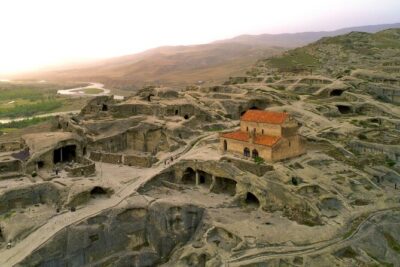
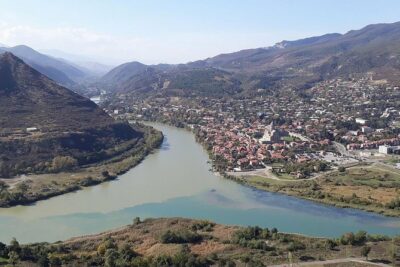
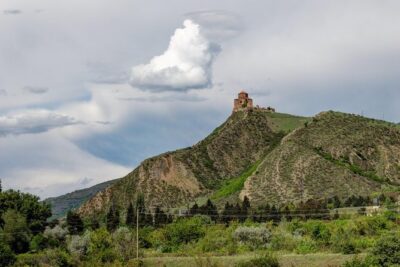
Mtskheta, Jvari, gori, uflistsikhe, history and panorama (group tours)
Read our review →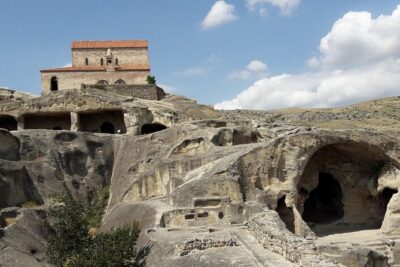
Day tour to Chronicles of Georgia, Gori city, Uplistsikhe cave
Read our review →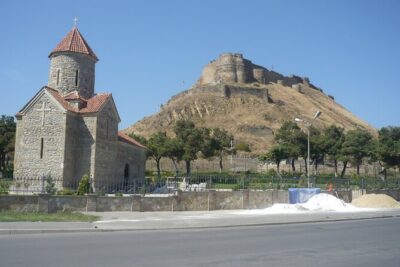
Ancient Georgia Group Tour: Mtskheta,Jvari, Gori, Uplistsikhe
Read our review →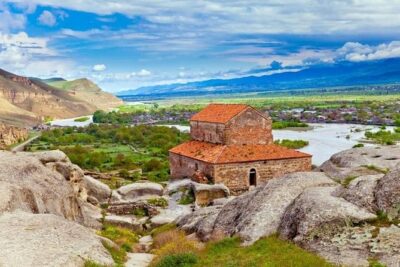
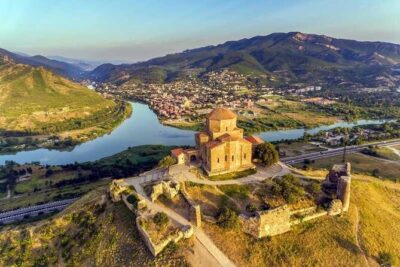
Mtskheta, Gori & Uplistsikhe Private Day Tour from Tbilisi
Read our review →Browse the lists this tour appears in