
Reviewed · COOKING CLASSES
Nana’s Kitchen – traditional Georgian cooking class at real Georgian family home
Come hungry, leave with recipes. Nana’s Kitchen turns a three-hour cooking lesson into a warm Georgian evening, combining hands-on food preparation with the rituals of a traditional Supra feast. You begin with homemade wine from the family vineyards, cook several classic dishes, then sit down to eat them in the proper Georgian style.
I especially like the private setting, where only your group takes part, and the way Nana, Nina, and the family assistants make the class feel personal rather than staged. I also like that you receive a recipe booklet, with some visitors even taking home starter spices and leftovers. The main consideration is the fixed evening schedule, Monday through Friday from 7:00 PM to 11:00 PM, and the booking is non-refundable if your plans change.
In This Review
- Key points to know before booking
- Why the Supra matters more than the cooking
- Arriving at 26 Guram Rcheulishvili Street
- Starting with family wine and Georgian hospitality
- Rolling up your sleeves for five Georgian dishes
- Spinach paste
- Peppers with walnuts and spices
- Fried eggplant with walnuts
- Chakapuli or chakhokhbili
- A dinner that follows Georgian custom
- The value of the $110 price
- What you can take home
- Who will enjoy Nana’s Kitchen most?
- Should you book Nana’s Kitchen?
- FAQ
- Where does Nana’s Kitchen take place?
- How long does the cooking class last?
- Is the experience offered in English?
- How many people take part?
- What food will I prepare?
- Is wine included?
Key points to know before booking
- Georgian Supra is part of the lesson: You learn how food, wine, conversation, and hospitality come together at a traditional feast.
- Five dishes are prepared by your group: Nana and her family demonstrate each step, then let you do the work yourself.
- The class begins with homemade wine: The opening glass comes from the family’s own vineyards.
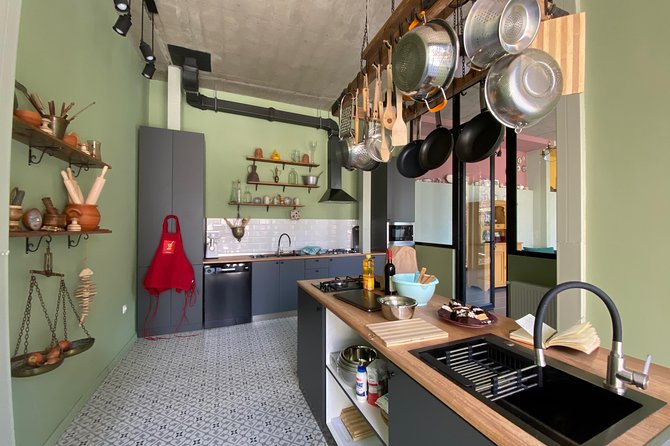
- It takes place at a real family home: The kitchen and living areas create a relaxed, residential setting rather than a restaurant classroom.
- The menu can include seasonal choices: Chakapuli may be prepared when tarragon and other ingredients are in season, or you may make chakhokhbili instead.
- You receive practical take-home help: A recipe booklet is included, and extra spices or leftovers may sometimes be provided.
Why the Supra matters more than the cooking
Many cooking classes teach you how to chop, stir, and plate. Nana’s Kitchen adds the social code behind the food. The Georgian Supra is not simply a large meal. It is a way of gathering, sharing wine, making toasts, and giving the meal a sense of occasion.
That context gives the cooking more meaning. A walnut paste is not just a starter. Eggplant with walnuts is not merely another vegetable dish. Together, the food forms part of a generous table where people linger and talk.
I like this approach because Georgian food can seem unfamiliar at first. Walnuts, herbs, garlic, spices, tarragon, and vegetables appear in combinations you may not cook at home. Once you understand how the dishes fit into a Georgian feast, the menu feels less like a list of recipes and more like a way to welcome people.
The opening introduction covers the meaning of Supra, the origins of Georgian cuisine, and the influences that helped shape it. The information is kept practical, tied to what you will soon prepare in the kitchen. That makes it useful rather than a long lecture before the fun begins.
More khinkali and cooking classes:
- Small-Group Khinkali and Khachapuri Cooking Class in Tbilisi
★ 4.5 · 224 reviews - Cook True Ajarian Khachapuri and Khinkali in Highlanders Style
★ 5.0 · 93 reviews - Taste of Kakheti: Wine Tour Bread Baking & Churchkhela Workshop
★ 4.5 · 46 reviews
Arriving at 26 Guram Rcheulishvili Street
The meeting point is 26 Guram Rcheulishvili Street, Tbilisi 0179. The activity ends at the same address, so you do not need to arrange a second pickup point after dinner.
This is an evening experience, with listed hours from 7:00 PM to 11:00 PM, Monday through Friday. The class itself lasts about three hours, so the four-hour window gives the family room to welcome you, teach at a comfortable pace, and finish with the Supra meal.
The location is near public transportation, but the information provided does not include a hotel pickup service. Plan to make your own way to the address. I would allow a little extra time, especially if you are unfamiliar with Tbilisi’s streets or are arriving from another part of town.
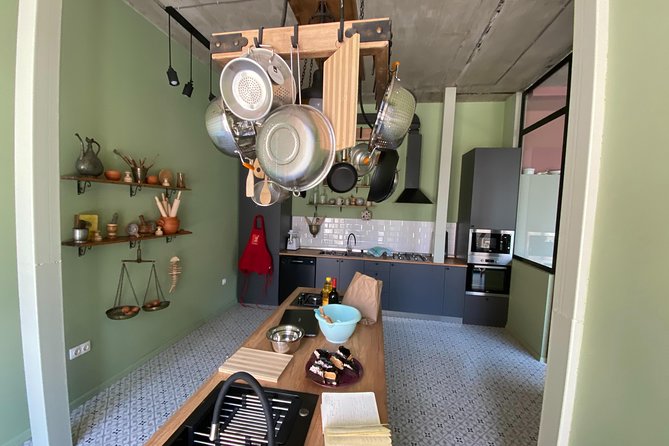
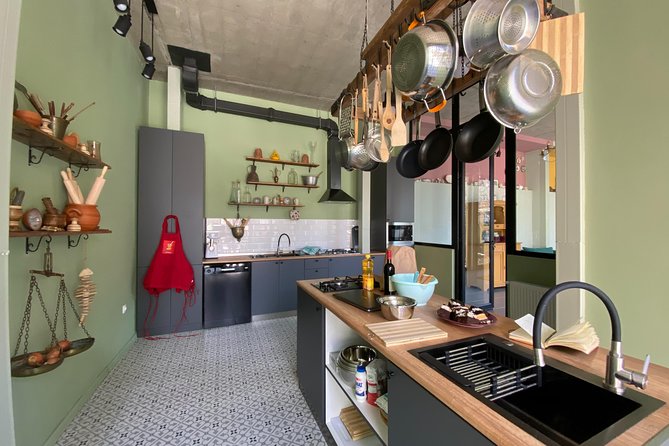
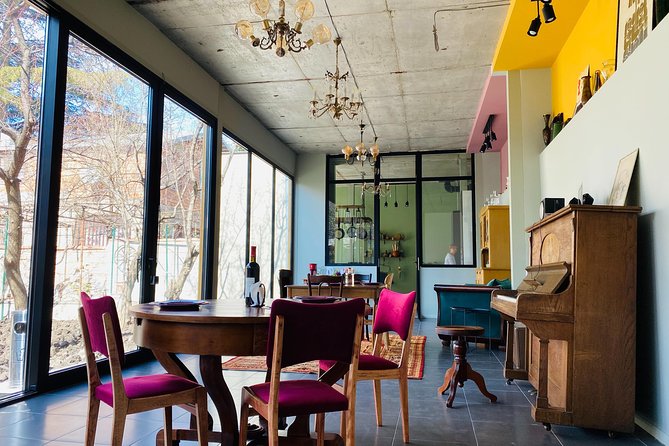
The setting is one of the experience’s best features. It takes place in a traditional family home, with a kitchen and living space described as clean, stylish, and inviting. One account also describes a beautiful kitchen studio in the garden. That gives the evening a domestic feel, while still providing a dedicated place to cook.
This is not the right choice if you want a fast demonstration followed by a restaurant meal. The appeal is the slower rhythm of being welcomed into a home, learning beside the hosts, and sitting down together afterward.
Starting with family wine and Georgian hospitality
The class starts with a glass of homemade Georgian wine. It comes from the family vineyards, which gives the opening a direct connection to the hosts and their food traditions.
Wine is important to the Georgian table, but the point is not simply to offer a drink before cooking. The first glass helps introduce the hospitality that shapes the rest of the night. You are brought into the meal before you begin making it.
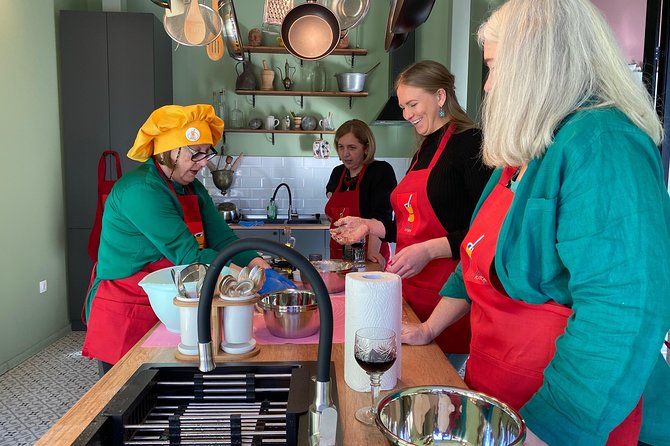
The family atmosphere receives strong praise from the people who have taken part. Nana and Nina are described as friendly and patient, while the wider family and kitchen assistants add to the welcoming mood. The tone appears relaxed, with plenty of conversation and laughter rather than strict classroom formality.
That warmth matters in a hands-on class. You may be working with unfamiliar ingredients or techniques, and a patient teacher makes it easier to ask questions and try things yourself. The class is conducted in English, so you can follow the explanations without needing to rely on translation.
You should also expect conversation about Georgia beyond the recipes. The cooking is used as a way to explain ingredients, the origins of dishes, and broader customs. The hosts have also offered restaurant suggestions in Tbilisi, which can be useful if this class is part of your first few evenings in the city.
Rolling up your sleeves for five Georgian dishes
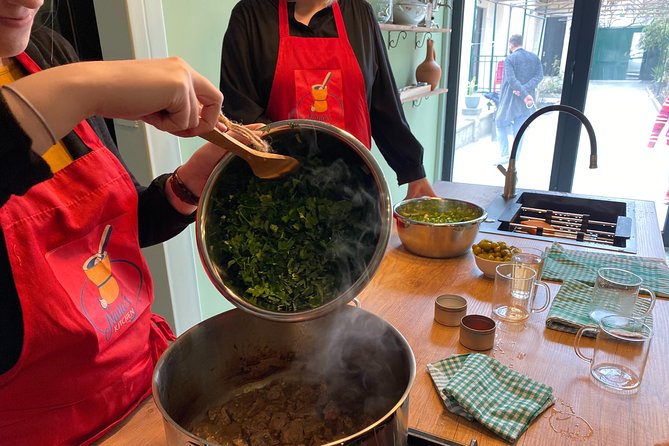
After the introduction, you move into the kitchen and begin preparing the food. The class is not limited to watching Nana cook. You make the dishes yourself, following demonstrations and guidance from the instructors.
The menu includes five Georgian dishes, although the exact selection can vary. The listed sample menu includes:
- Traditional spinach paste as a starter
- Red peppers with a walnut and spice mixture
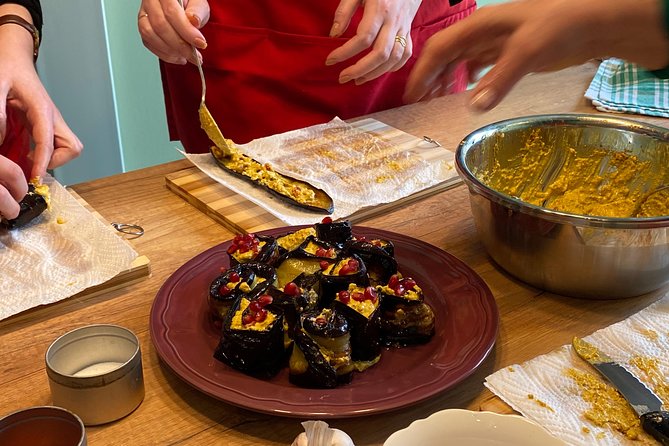
- Fried eggplants with walnuts
- Chakapuli, a veal dish with tarragon, when seasonal
- Chakhokhbili as an alternative to chakapuli
The menu shown names four specific items while also noting a fifth dish and possible seasonal substitutions. You should treat it as a sample rather than a guaranteed fixed menu. One person also particularly enjoyed a chicken soup prepared during the class, so the dishes offered may change according to the session or available choices.
A few more ways to spend a day out of Tbilisi
- Join a Local for a Market Tour, Cooking Class and Meal in her Tbilisi Home
★ 5.0 · 15 reviews - Georgian Dance Class in Tbilisi, Georgia
★ 5.0 · 10 reviews - Taste of Georgia. Cooking-Class Khinkali, Khachapuri and more
★ 5.0 · 7 reviews - 7-Day Georgian Wine and Culinary Private Tour with Cooking Class
★ 5.0 · 5 reviews
Spinach paste
The traditional spinach paste introduces the Georgian habit of turning vegetables and herbs into savory mixtures with texture and depth. It is a useful first dish because it shows how walnuts and seasonings can give a simple green ingredient more character.
You will likely appreciate this part if you want recipes that can be made at home without complicated equipment. The class is designed around dishes that participants can recreate later, rather than food that depends entirely on a professional kitchen.
Peppers with walnuts and spices
Red peppers filled or combined with a traditional walnut and spice mix show one of Georgian cuisine’s most familiar patterns: vegetables paired with a nut-based mixture that is earthy, fragrant, and filling.
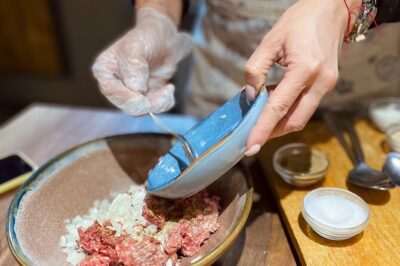
This is also the kind of recipe where the small instructions matter. The balance of spices, the texture of the walnut mixture, and the way the ingredients are combined can change the final dish. Nana’s family provides demonstrations, but you still do the preparation yourself.
Fried eggplant with walnuts
Eggplant with walnuts is another classic combination. Frying gives the vegetable a soft, substantial texture, while the walnut mixture adds a savory layer.
I see this as one of the strongest take-home dishes because it can work as a starter, side dish, or part of a larger spread. You are not learning only one centerpiece recipe. You are building several dishes that can be served together at a Georgian-style table.
Chakapuli or chakhokhbili
Chakapuli is described as veal with tarragon and is offered seasonally. Tarragon gives the dish a distinctive herbal character, and its seasonal status is worth noting if this is the dish you especially want to learn.
The alternative is chakhokhbili, another Georgian main course. Since the class menu can offer options, this is a good point to ask what will be prepared when you book or arrive. If you have a strong preference, do not assume the seasonal dish will be available every time.
The variety of the menu is a real benefit. In a single evening, you learn vegetable preparations, walnut-based mixtures, and a main course. That gives you a better sense of how Georgian meals are built than a class focused on one famous dish alone.
A dinner that follows Georgian custom
The cooking ends with a dinner conducted in the style of a Supra. This is not just the moment when the food is served. It is where the opening explanation becomes real.
You sit down to eat the dishes your group has prepared, with wine and conversation forming part of the meal. The dinner is often described as an experience in its own right, and that makes sense. Cooking can be enjoyable, but sharing the finished food in the setting that gives it cultural meaning is what completes the evening.
The hosts’ hospitality is central here. The atmosphere has been compared to visiting relatives, with a generous table and a welcoming family. That will appeal to you if you prefer personal contact over a polished restaurant performance.
There is also a practical advantage: you can taste the food immediately after making it. If a sauce seems too strong or a walnut mixture has a texture you did not expect, you can ask about it while the dish is in front of you. The meal becomes a final lesson.
The class can be especially appealing for a birthday, family outing, or special evening. One person used it as a birthday gift, while another attended on Thanksgiving and found the family setting a memorable substitute for a traditional holiday meal.
The value of the $110 price
At $110 per person, Nana’s Kitchen is not a budget meal. You are paying for more than the ingredients and dinner, though. The price covers an approximately three-hour private experience, English instruction, several dishes, homemade wine, cultural explanation, the Supra-style meal, and a recipe booklet.
The private format is important. Only your group participates, so the experience should feel more tailored than a large public class. You are also doing the cooking, rather than sitting at a counter while someone else prepares everything.
The value is strongest if you care about food culture and want something you can use after the trip. A restaurant may give you a better view of finished dishes, but it will not show you how to make them. A cheaper group class may teach a recipe, but it may not include a family home, homemade wine, and a full Georgian feast.
The price is harder to justify if you mainly want dinner or if you dislike social meals with hosts. In that case, you may be paying for the very parts that make the experience special. I would book it for the instruction and connection, not simply because you want to eat Georgian food.
What you can take home
The recipe booklet includes the dishes prepared during the class. This is a useful detail, since Georgian cooking often depends on combinations that are easy to forget after a busy evening.
The recipes are described as manageable to recreate at home, with plenty of strong flavors but no suggestion that you need specialist training. One account also notes receiving starter spices, and another mentions leftovers packed to take away. These extras may depend on the session, so I would regard them as pleasant possibilities rather than guaranteed inclusions.
The best souvenir is the ability to recreate a Georgian spread for friends. Several of the dishes work well together, and the lesson about Supra helps you present the meal with more confidence. You are taking home both instructions and a sense of how the food is meant to be shared.
Who will enjoy Nana’s Kitchen most?
I would recommend this class to:
- Couples looking for a sociable evening in Tbilisi
- Families who want an activity that suits different ages
- Food-focused visitors who want to cook rather than only dine
- Anyone interested in Georgian hospitality and feast traditions
- People who enjoy meeting local families in a relaxed setting
- Visitors who want recipes they can make after returning home
It may be less suitable if you need a daytime activity, cannot attend Monday through Friday in the evening, or want a fully structured professional cooking school. It also may not suit someone who wants a quiet meal without conversation.
Service animals are allowed, and the address is near public transportation. Confirmation is provided at booking. The activity is non-refundable and cannot be changed for any reason, so book only when your Tbilisi plans are firm.
Should you book Nana’s Kitchen?
Book Nana’s Kitchen if you want to understand Georgian food as a social tradition, not just taste it in a restaurant. The strongest parts are the family setting, the patient hands-on teaching, the homemade wine, and the Supra dinner that brings the evening together.
The $110 price makes sense for a private, food-centered cultural experience with several dishes and take-home recipes. Just confirm the menu if chakapuli, chakhokhbili, or a particular dish matters to you, and keep the fixed evening schedule in mind.
If your idea of a perfect Tbilisi night is cooking with Nana and Nina, laughing in a family kitchen, then sitting down to a generous Georgian feast, this is a very good choice.
FAQ
Where does Nana’s Kitchen take place?
The class takes place at 26 Guram Rcheulishvili Street, Tbilisi 0179, Georgia. It ends at the same meeting point.
How long does the cooking class last?
The experience lasts approximately three hours. The listed operating hours are Monday through Friday from 7:00 PM to 11:00 PM.
Is the experience offered in English?
Yes. The class is offered in English.
How many people take part?
This is a private activity, so only your group participates. It is designed as a small, intimate hands-on experience.
What food will I prepare?
You will prepare five Georgian dishes. The sample menu includes spinach paste, red peppers with walnut and spices, fried eggplants with walnuts, and either seasonal chakapuli or chakhokhbili. The exact menu may vary.
Is wine included?
The class begins with a glass of homemade Georgian wine from the family vineyards, and wine is part of the traditional Supra-style dinner.
Recently added around Tbilisi
- Northern Armenia Highlights Tour from Tbilisi★ 5.0 · 3 reviews
- Wild Georgia 4WD PACK Adventure through Kakheti and Kazbegi 2in1★ 5.0 · 3 reviews
- Kakheti wine region – Private Tour★ 5.0 · 3 reviews
- Jvari monastery & Mtskheta – Half day group tour from Tbilisi★ 5.0 · 3 reviews
- Private Full Day Trip to Kazbegi Mountains★ 5.0 · 3 reviews
- Kakheti With Top Destinations★ 5.0 · 3 reviews
- Private Effortless transfer from Tbilisi to Gudauri ski resort★ 5.0 · 3 reviews
- Borjomi – Rabati -Vardzia Private Full Day Tour from Tbilisi★ 5.0 · 3 reviews
Cooking Classes, compared.
Small-Group Khinkali and Khachapuri Cooking Class in Tbilisi
Read our review →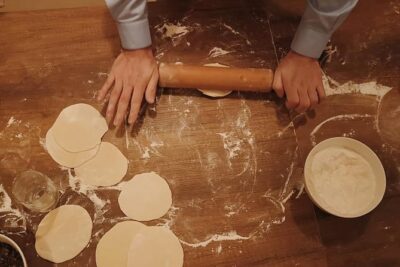
Cook True Ajarian Khachapuri and Khinkali in Highlanders Style
Read our review →
Taste of Kakheti: Wine Tour Bread Baking & Churchkhela Workshop
Read our review →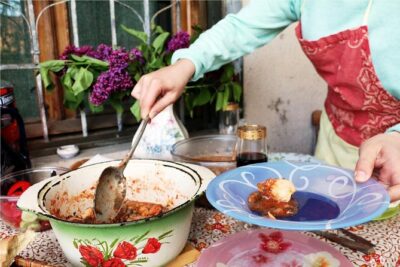
Join a Local for a Market Tour, Cooking Class and Meal in her Tbilisi Home
Read our review →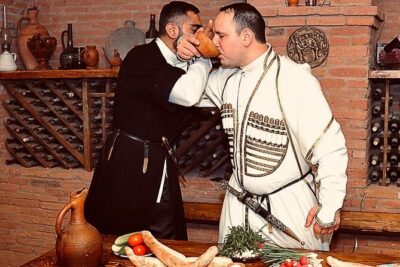

One Day Kakheti Tour with Wine Tasting and Free Churchkhela
Read our review →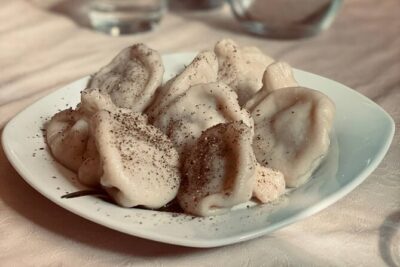
Taste of Georgia. Cooking-Class Khinkali, Khachapuri and more
Read our review →
Military Road Marvels: Ananuri, Kazbegi & Khinkali Masterclass
Read our review →Browse the lists this tour appears in